
Version 43.0

Written & Compiled by Macklin Andrick, GPJ Sr. Creative Technologist
GPJ’s Creative Technology practice supercharges the impact of brand stories told through the strategic use of innovative tech and AI. Strap in as we dive into a whirlwind of innovation and spectacle!
This week’s Creative Tech Byte is a crossroad of future vision and real-world rollout: from lifelike AI assistants and holographic notebooks to laser-fast internet and cinematic driving UIs. NVIDIA lays the groundwork for “Physical AI” with breakthroughs in neural rendering and simulation. Meanwhile Google is quietly testing “Magic View” that could reshape how we visualize digital thought. Let’s jump into the pulse of what’s next.

NVIDIA Research Shapes Physical AI
NVIDIA Research is pushing “physical AI” forward, merging neural rendering, 3D generation, and world simulation. This integration aims to give AI systems spatial and physical understanding—crucial for robotics, autonomous vehicles, and content creation. By advancing neural graphics techniques, AI can better perceive, reason, and interact with complex real-world environments more effectively.
Takeaway for marketers: As AI gains a sense of “place,” brand experiences can evolve from scripted interactions to dynamic environments that respond to audiences in real time.
Google Develops Magic View For NotebookLM to Visualize Data
Google is working on a feature for its AI-powered NotebookLM called Magic View, an early feature that transforms the notebook into a vivid, animated, interactive canvas. At this stage, the exact purpose of Magic View remains speculative, but hints at a new way to visualize and manipulate ideas—blurring the line between data, creativity, and presentation.
Takeaway for designers: As tools like Magic View shift from static text to living canvases, it signals more novel ways to visualize, manipulate and interact, making data feel like an experience, not simply a report.
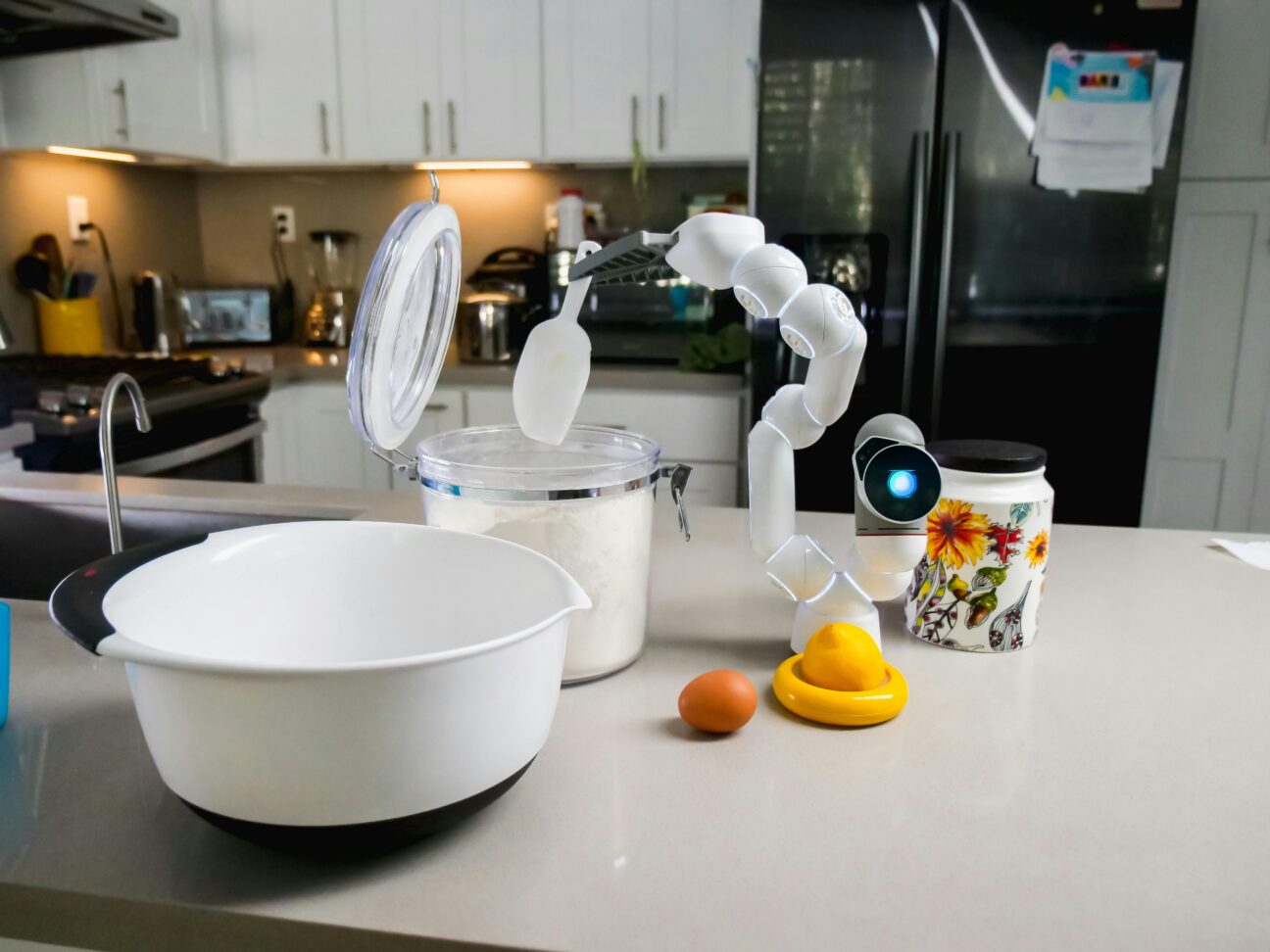
Apple Plots Expansion Into AI Robots, Home Security and Smart Displays
Apple is gearing up for a sweeping smart home expansion rooted in AI. A Pixar-style lamp that can follow you, swivel, and even dance is set for 2027, featuring a completely new Siri powered by large language models, enabling more natural, back-and-forth conversational interactions. In the near term, Apple is preparing to roll out a six-inch smart display and AI-powered security cameras in 2026, designed as a privacy-first hub for control, recognition, and alerts.
Takeaway for technologists: Apple is re-framing the home as an intelligent, responsive environment. For brands, this could signal a future where experiences must adapt to context, voice, and presence—not limited to screens.
SDCC 2025 Video Tour: Activations from Disney, ABC, FX & More
At San Diego Comic-Con 2025, Disney, FX, ABC, Adult Swim, AMC, and BBC delivered immersive fan activations across the Gaslamp District, transforming show spaces into themed experiences. From FX’s Alien: Earth crash-site horror maze to Disney’s Percy Jackson diner quiz and BBC’s Doctor Who escape room, activations turned marketing into interactive, full-scale, story-driven environments that connect deeply with fans through interactive, Instagrammable moments.
Takeaway for brands: Comic-Con *gets* fandom: experiences that feel like stepping inside the story. The opportunity comes in designing activations that invite audiences to co-create, not just consume.

This Google Spin-Off Wants to Beam 100Gbps Internet From the Ocean, Mountaintops
Google spin-off Taara is developing a groundbreaking “Lightbeam” tech that beams ultra-fast internet (up to 100 Gbps) using invisible lasers, bypassing fiber. Already tested with telecom partners in Africa, India, and the U.S., the system is now being miniaturized with silicon photonic chips, aimed to scale high-speed, low-cost connectivity in hard-to-reach regions.
Takeaway for you: Connectivity is the backbone of experiences. As high-speed internet expands globally, brands can consider taking content and engagement anywhere—reaching audiences once considered out of range.
Tesla’s graphics are about to get Unreal
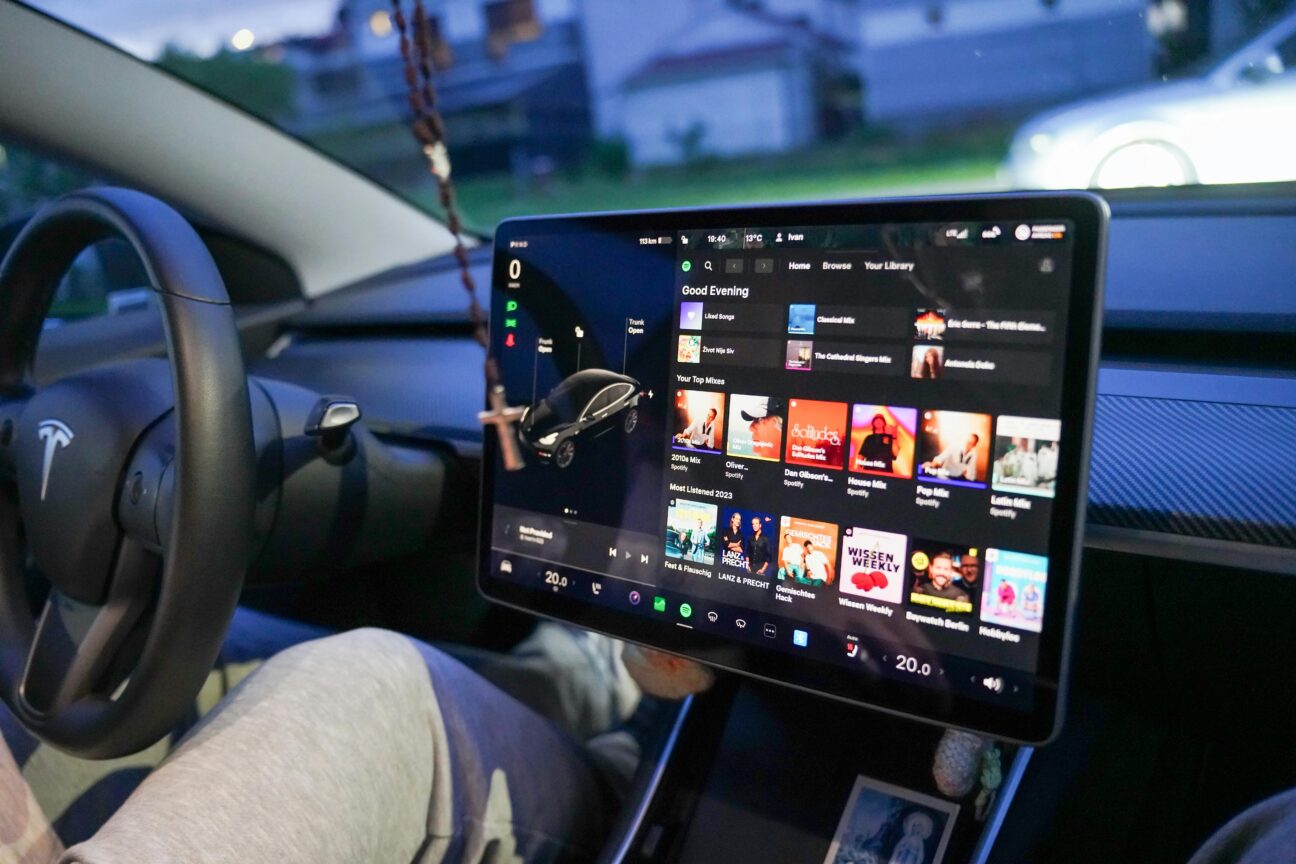
Tesla is overhauling its in-car graphics, transitioning from Godot to Unreal Engine, enhancing the visual fidelity in Autopilot and Full Self-Driving displays. The move mirrors other automakers adopting Unreal for richer on-screen elements and better visualization of driving environments—suggesting Tesla is preparing cars for more engaging, passenger-focused autonomous experiences, too.
Takeaway for strategists: As vehicles become moving entertainment hubs, the car itself turns into a storytelling platform. For brands, that means new opportunities to design content and touchpoints that travel with the audience.
For more GPJ Creative & Strategic reporting, visit our News & Insights page.
