
Experiences rare and familiar are capturing major consumer attention, while world-building and storytelling remain key to creating meaningful content. Continue through the report for full insights and key, actionable takeaways. This month’s trends spotted by GPJ Strategists Erin Ruane and Ian Bush.

1. People worldwide are spellbound by solar clockwork
The total eclipse inspires collective, humbling discovery.
April’s total eclipse was the year’s biggest US travel event. In total, the supernatural spectacle drove nearly $1 billion dollars in revenue. While the tourism industry was eager to cater to eclipse chasers, other brands used the event as a jumping-off point for big announcements like Taylor Swift’s eclipse-laced lyric teaser. It’s clear the desire to gather, witness, and share unique real-time experiences is becoming more cherished and sought after—an interesting juxtaposition to digital media being our main source for “sharing” with others.
What it Means
Events like the total eclipse not only offer the excuse to study and gather together, but the phenomenon incites awe and liminal reflection. In contrast to familiar, expected rituals (like New Year’s Eve for example), natural events like these are dramatic and rare, offering humans the chance to experience something unprecedented and extraordinary.
Key Takeaway
The solar eclipse reminds us of the power inherent in crafting experiences that elicit feelings of awe and unity. This natural wonder wasn’t just a scientific phenomenon; it was a communal experience that transcended boundaries, sparking conversations, forging bonds, and creating lasting memories.
2. Cosplayers rejoice: themed experiences are growing
Brands are expanding on their content, creating worlds for fans to escape to.
As the consumer appetite for IRL attractions persists, brands are aggressively investing in conceptual, themed experiences that bring guests into worlds both familiar and new. While the gaming community steadily grows, so too do the experiences that surround said games. Similarly, toy companies recognize their audience’s desire to play and explore familiar fantasy worlds. Even car companies are branching out, taking their reputation for speed to a new level. It’s clear that brands are betting on content by bringing persona and character ecosystems to the real world.

What it Means
Escapism is a deeply ingrained part of the human psyche. Delving into literature, video games and film are ways we cope with stressors, responsibilities and uncertainties. As a result, it’s no wonder that audiences look to escape beyond passive consumption of TV shows and games—they want to dress up, attend the Queen’s dinner party, mourn the departed, and even time travel.
Key Takeaway
Brands of all shapes and sizes are recognizing the power of creating fantasy worlds that people can visit and immerse themselves in. Those that take risks, branch out, and go beyond their expected content will create deeper connections between audiences and the things they love.
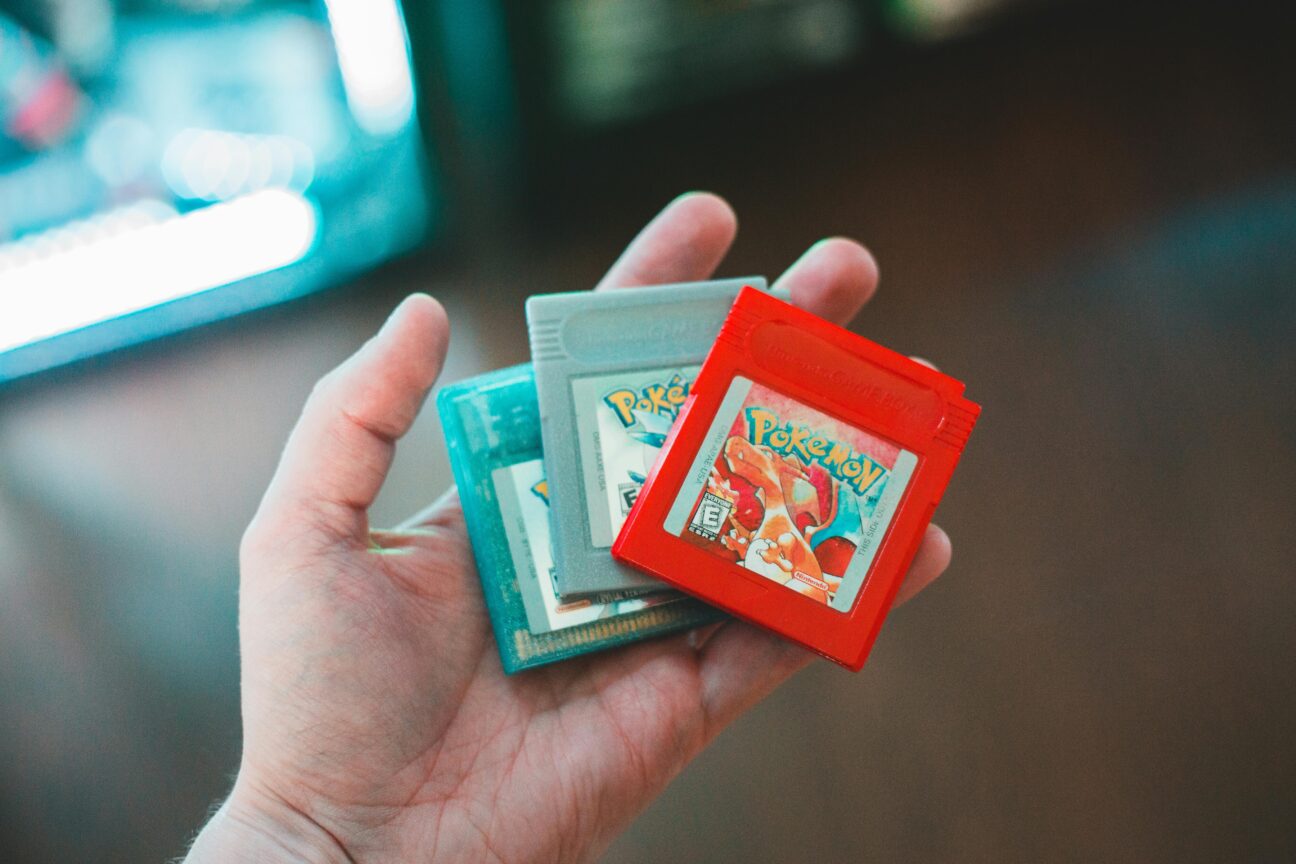
3. Nostalgia and comfort in today’s trying times
In uncertain times, consumers gravitate towards the familiar to regain control and find comfort.
If you’ve participated in “comfort-binging” beloved shows or retro gaming recently, you’re not alone! The resurgence of platforms like the Analogue Pocket and nostalgic games like “Rugrats: Adventures In Gameland” reflect a craving for predictability and joy. This return to cherished pastimes, where outcomes are reassuringly known, provides an escape from today’s unpredictability, underscoring a shift in media towards emotional security and the power of the familiar as a form of control and escapism.
What it Means
The move towards comfort binging and retro gaming is about more than cultural nostalgia— it’s a collective coping mechanism where predictability provides pleasure in an era of uncertainty. The shift underscores the fundamental human need for stability and familiarity during times of upheaval.
Key Takeaway
In a time of international unrest, economic uncertainty, and concerns about global warming, the key to strong engagement for many audiences lies in providing experiences that offer comfort, control, and predictability. By offering audiences an opportunity to experience this sort of comfort, brands can make themselves feel familiar to new audiences.
4. Evolving from storytelling to “story-sharing”
Shifts in content consumption highlight a preference for authentic, reciprocal stories over spectacle.
The ‘Barbenheimer’ phenomenon illustrated a viral shift in how stories transform and transpose
across different mediums, underscoring a growing preference for audiences to be a part of the journey more than simply being voyeurs to spectacle. This trend signals a reemergence of stories as a cultural bonding agent, like campfire stories where a well-chosen word over a flame holds as much power as any CGI monster on a big screen. It’s about sharing our stories, not just telling them.

What it Means
Consumers are looking for more interactive and crowd-sourced entertainment. This cultural preference shift deeply impacts how fans and brands connect with each other in our increasingly democratized media and content landscape, where we can all be a part of the same story in real time and contribute to it as it unfolds.
Key Takeaway
The future of storytelling isn’t “storytelling” at all—it’s “story-sharing.” It’s the balance between authenticity and spectacle, with interactivity and adaptability being key. For events and experiences this paradigm shift around shared narratives unlocks the potential for even more meaningful audience engagement.
OUT-THERE EXPERIENCES
People, brands and marketers continue to push the boundaries of physical and digital experiences, with new and creative executions popping up across the globe.

Well now you can! McDonald’s recently debuted a series of billboards in the Netherlands that contain the distinct aroma of McDonald’s fries.

After 8 years, Boston Dynamics’ Atlas has been released and it’s just as creepy as you’d think. The robot has superhuman strength and a superhuman ability to get up from the ground.

The arid city of Dubai saw 2 years worth of rainfall in just 2 days and some conspiracy theorists believe the UAE’s use of “cloud seeding” is to blame.

IKEA just released a furniture collection specifically for gamers. Instead of edgy gamer vibes the design aesthetics are intended to fit in with existing home decor.
Catch up on all our previous Experience Intelligence reports. Or schedule a strategy session with us!
