
Version 45.0

Written & Compiled by Macklin Andrick, GPJ Sr. Creative Technologist
GPJ’s Creative Technology practice supercharges the impact of brand stories told through the strategic use of innovative tech and AI. Strap in as we dive into a whirlwind of innovation and spectacle!
This week’s Super-Sized Creative Tech Byte taps the pulse of personalization with big moves in AI, space, and style plus a splash of sustainability and campus cool. Google’s Gemini gets a glow-up with the ‘Nano Banana’ model. Spotify goes social with in-app messaging to drop songs and podcasts to friends. And Wan-S2V turns still photos into cinematic performances synced to your audio. The AI upgrade season is in full swing, smart, safe, and ready to remix your digital life.
Google will now let everyone use its AI-powered video editor Vids
Google has expanded access to its AI-powered video creation tool, Vids, with a new free consumer version alongside its Workspace and paid tiers. The free version offers basic editing, while premium subscribers gain advanced tools like AI-generated avatars that deliver scripted messages and a Veo 3-powered image-to-video feature with synchronized sound or speech. Together, these enhancements reflect Google’s push to make AI-driven content creation more accessible and adaptable across professional and casual use.
Takeaway for content creators: Tools like Vids highlights how AI can democratize storytelling, lowering barriers to polished, multi-format content while offering new creative hooks like avatars and image-to-video conversion.


Amazon’s Starlink Rival, Project Kuiper, Demos 1 Gigabit Downloads
Amazon’s Project Kuiper has successfully demonstrated download speeds of up to 1 gigabit per second during test flights. Using prototype terminals and satellites, the system streamed 4K video, supported video calls, and maintained connectivity even during high-speed maneuvers showing strong potential for mobile and aviation use. Amazon plans to begin customer pilots in 2H of 2025, positioning Kuiper as a future rival to SpaceX’s Starlink across consumer and commercial markets.
Takeaway for marketers: Kuiper highlights how connectivity itself is becoming a competitive differentiator, opening new possibilities for always-on digital experiences.
Back-to-Campus Tours: How Brands are Reaching Gen Z in 2025
Several brands are hitting college campuses this fall with mobile pop-ups and themed experiences designed to resonate with Gen Z. IKEA is touring with a branded bus that unfolds into a pink-walled showroom of small-space dorm layouts, complete with a planter potting station and selfie spots. Coca-Cola Zero Sugar is teaming with EA on a tour where students can play College Football 25, create custom fan cards, and claim rewards. Coach is rolling out a coast-to-coast pop-up, Wear Your Shine, featuring an immersive mirror installation, exclusive accessories, and free hot drinks from a branded truck. These activations blend presence, interactivity, and social appeal to engage students across campuses.
Takeaway for marketers: Meet them where they are; brands can tap Gen Alpha and Z by combining lifestyle relevance, hands-on experiences, and share-worthy moments.


MindJourney enables AI to explore simulated 3D worlds to improve spatial interpretation
Microsoft has introduced MindJourney, a research framework that lets AI agents mentally explore simulated 3D environments to improve spatial understanding from static images. It combines a video-trained world model with a vision-language model that selects the most informative imagined viewpoints. Using spatial beam search to narrow perspectives, the system avoids simulating every possible movement and achieved an 8% gain on spatial reasoning benchmarks without extra training.
Takeaways: The approach could enhance real-world AI deployments in robotics, smart homes, and other scenarios where grasping physical space is critical, boosting model performance without costly retraining.
The world’s largest sand battery just went live in Finland
Finland has activated the world’s largest sand-based thermal energy storage system in Pornainen, using 2,000 tons of crushed soapstone to store up to 100 megawatt-hours of heat. The system absorbs excess renewable electricity and converts it into heat at up to 600°C, supplying the local district heating network. It can power the town’s heating for a week in winter or nearly a month in summer, sharply reducing reliance on oil and woodchips. Early results show a 70% drop in heating-related carbon emissions, supporting Finland’s goal of climate neutrality by 2035.
Takeaway for change-makers: This milestone is a reminder of how renewable innovation can be framed not only as sustainability, but as resilience; delivering clear, relatable benefits like warmer housing and cleaner air.


Wan-S2V: Audio-Driven Cinematic Video Generation
Wan-S2V is an audio-driven video generation model that turns a single reference image into realistic animations synced to spoken or musical audio. It captures facial expressions, mouth movements, body gestures, and even camera motion to match rhythm and emotion. With pose control for choreography or movement replication, the model produces long, cinematic-quality videos with stable output. Built on the Wan 2.2 family using a Mixture-of-Experts architecture, Wan-S2V delivers expressive, film-style digital performances and outperforms earlier systems in synchronized, high-fidelity animation from static images.
Takeaway for creators: Wan-S2V points to new frontiers in digital storytelling where a single image can be transformed into dynamic, emotionally resonant content.
Brand Activations that Struck a Chord at Lollapalooza 2025
Lollapalooza 2025 drew 115,000 daily attendees to Chicago’s Grant Park, pairing big-name headliners with immersive brand activations steeped in Gen Z culture, nostalgia, and sensory play. Highlights included Airbnb’s debut live music partnership with backstage creative sessions, Crown Royal’s late-night Pancake Palace blending Y2K aesthetics and a Juicy Couture collab, and Google Shopping’s AI-powered virtual try-on for fashion and beauty. Takis launched a floating nacho boat party, Ulta Beauty’s Beat Suite offered glam services and a KATSEYE meet-and-greet, while Venmo capped things off with its maximalist Venmo House.
Takeaway for marketers: Festival activations are hotbeds of experiences that fuse entertainment, interactivity, and cultural relevance. The brands that stand out are those that balance bold creativity with participatory elements audiences can share and remember.


Google improves Gemini AI image editing with “nano banana” model
Google has confirmed that its viral image editing model, once code-named Nano Banana and now Gemini 2.5 Flash Image, comes from DeepMind and is rolling out in the Gemini app for free and paid users. The upgrade delivers far greater consistency in AI editing—especially for faces, pets, and objects—even when applying multi-step changes like style mixing, background swaps, or outfit edits. Users can blend images or tweak visuals iteratively without losing likeness, addressing a long-standing weakness of generative AI. The model already tops LMArena’s image editing leaderboard, underscoring its performance.
Takeaway for marketers: Gemini 2.5 Flash Image points to a future where AI-generated visuals are not only more realistic but more reliable, opening doors for personalized content at scale while maintaining brand integrity and trust.
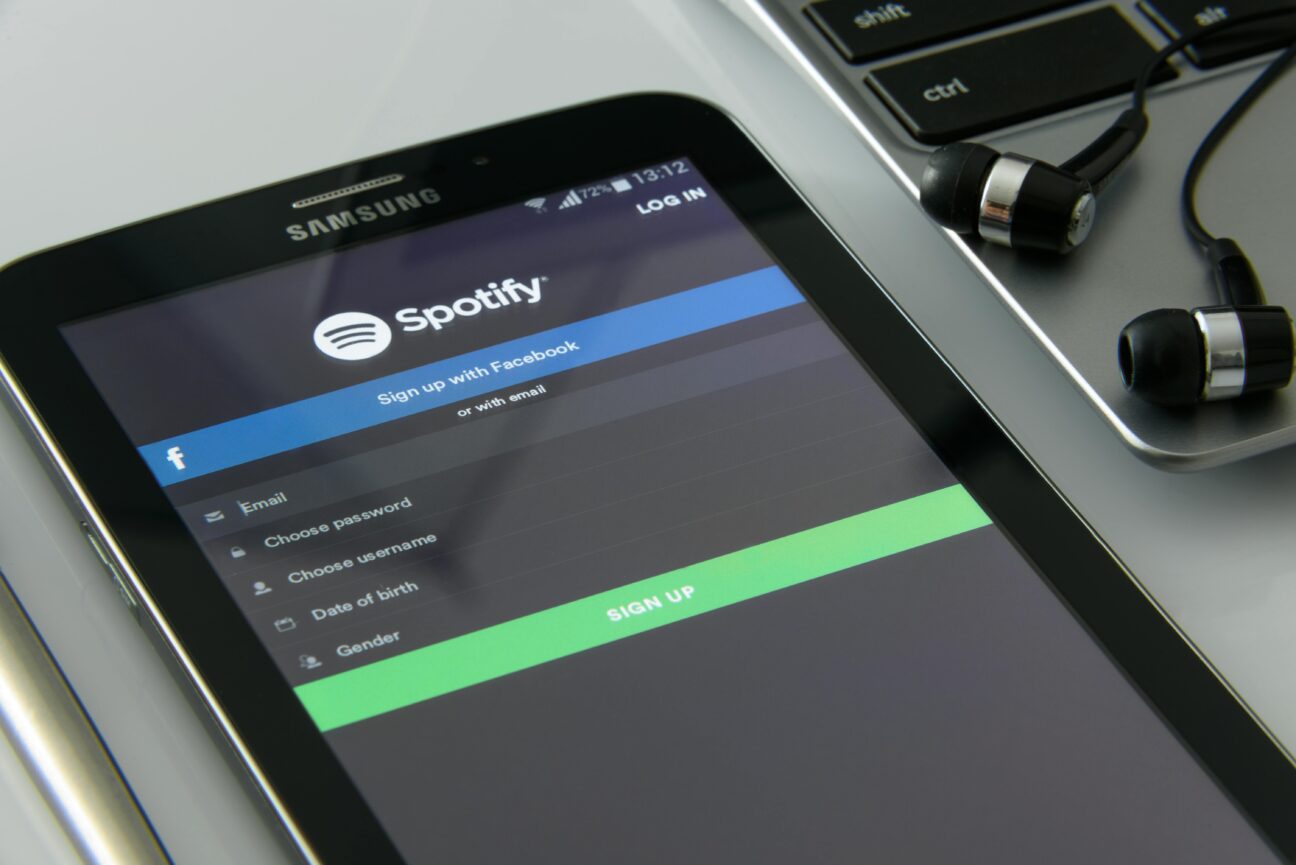
Spotify launches a messaging feature in a bid to become more social
Spotify has launched a new in-app feature called Messages, letting users 16+ chat one-on-one and share songs, podcasts, or audiobooks with their connections. Rolling out first in select mobile markets, Messages includes a dedicated inbox, text and emoji reactions, and privacy tools like request approvals, blocking, and opt-out options. Conversations are encrypted in transit and at rest (though not end-to-end), with monitoring and reporting tools to flag harmful content. The update revives a messaging function retired in 2017 and reflects Spotify’s push to be more social and interactive, now backed by a base of 696 million monthly active users on its path to 1 billion.

Netflix wants its partners to follow these rules when using gen AI
Netflix has issued new generative AI production guidelines to ensure ethical and responsible use by content partners. The policy outlines five principles: avoid replicating copyrighted or identifiable works, prohibit training AI on production footage, use secure enterprise tools, limit AI-generated content to temporary assets, and never replace performers or union-covered work without consent. Partners may proceed with notification if these conditions are met, but must seek written approval if uncertain. The overall goal is to balance creative innovation with legal safeguards and audience trust as Netflix expands AI into VFX, personalization, and advertising.
For marketers, Netflix’s stance reinforces that AI-driven creativity must be transparent, legally sound, and rooted in audience trust, making compliance itself a brand differentiator.
Microsoft AI launches its first in-house models
Microsoft has unveiled its first in-house AI models: MAI-Voice-1, an ultra-efficient speech model that generates a minute of audio in under a second on a single GPU, already powering features like Copilot Daily and podcast-style discussions; and MAI-1-preview, a text-focused large language model trained on 15,000 Nvidia H100 GPUs to handle everyday, consumer-oriented queries. These models complement Microsoft’s ongoing use of OpenAI in Copilot and are available for testing through Copilot Labs and LMArena, signaling a strategy to balance reliance on OpenAI with expanding in-house capabilities.

Piloting Claude for Chrome \ Anthropic
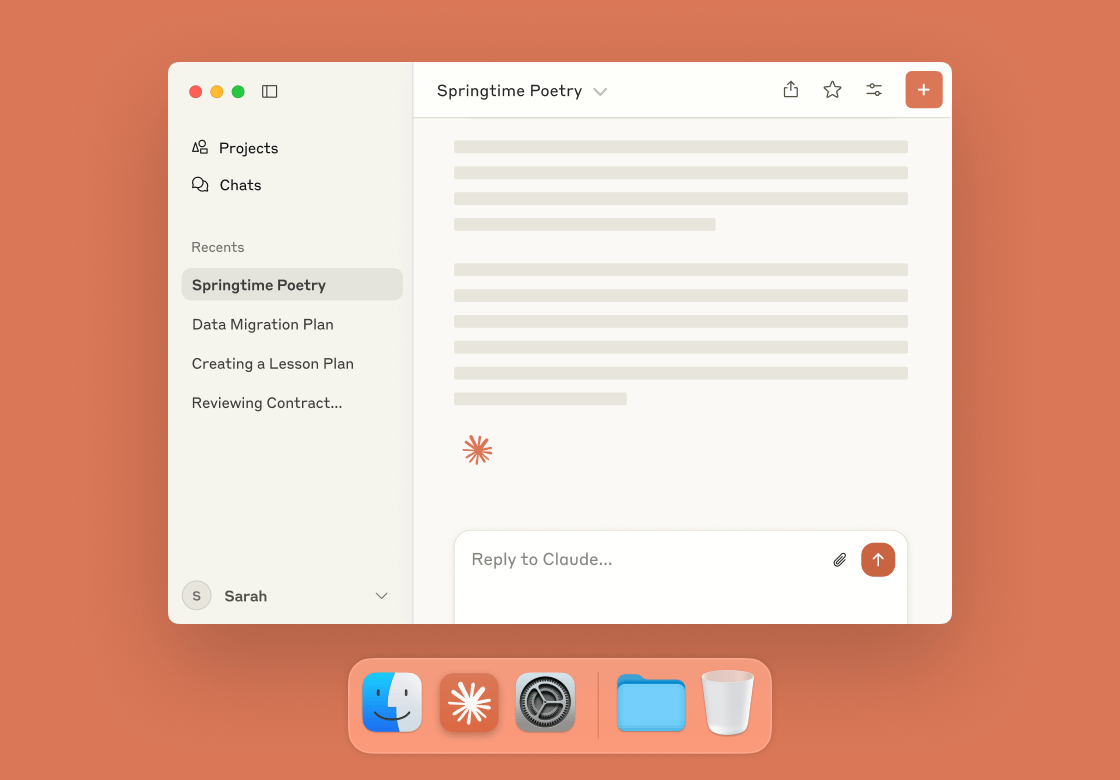
Anthropic has launched Claude for Chrome as a controlled research preview, bringing the AI assistant directly into the browser via a sidebar. Claude can view pages, click buttons, fill forms, and manage tasks like calendars, emails, and website testing. Recognizing security risks, Anthropic conducted red-teaming that showed prompt-injection attacks succeeded 23.6% of the time without safeguards. New defenses like site-level permissions, confirmations for high-risk actions, and blocked categories reduced success rates to ~11.2%, and in some cases, to zero. Still, Anthropic acknowledges vulnerabilities remain and will refine protections before scaling further.
For more GPJ Creative & Strategic reporting, visit our News & Insights page.
