
The Next Wave of Sustainable Experience
Sustainability is quietly entering its second act, leaving the green checkboxes and refillable water bottles behind for operationalized inclusion, circular design strategies, and measurable return. The brands that are leading the charge aren’t talking louder or more explicitly about sustainability, they’re designing smarter, more transparent systems around it. Shout out to this month’s trendspotters: Sarah Jackson, Meghan Michalski, and Kristy Hong!

A shared agenda is the new sustainability standard
A platform for shared responsibility is emerging as the invisible architecture of meaningful, sustainable experiences.
Today’s leading brands and event organizers aren’t settling for baseline carbon messaging and performative DEI statements–they’re embracing inclusive, human-centered, community-driven design approaches that bake sustainability into how people move, eat, gather and participate, making sustainable behaviors the default, not an add-on. These changes are showing up in tangible ways, like local vendor procurement and regional caterers supplying food and beverage as a means to reduce transport emissions, while reinvesting in nearby farms and artisans.
Shifting gears from green gestures to circular craft
Sustainable material choices and modular design approaches are redefining what it means to build responsible experiences.
At CES 2024, multiple brands dedicated physical space to showcase their material impact stories, feature sustainable products, and spotlight sustainable partnerships. HERE Technologies built a LEGO-style exhibit designed for rebuilding each year, Samsung demonstrated how upcycled packaging and by-products of their household goods became the structure of their booth walls in a Sustainability Zone, while Panasonic introduced kinari, a plant-based cellulose resin shaping the drapery, and invited attendees to shape the brand’s future material applications using kinari coins. Brands are designing with an afterlife in mind, treating every structure, surface and system as part of a longer material journey.


The ROI of responsibility is getting real
Brands are shifting from carbon claims to measurable frameworks, making impact credible and participatory.
With pressure on executive leadership to show that sustainability drives business value and ROI, brands are moving from optics to sustainable frameworks. Rather than relying on whitepapers and annual reporting, events are implementing tools and activations that measure emissions and visualize impact in real time. At Dreamforce, Salesforce linked sustainability to participation, inviting attendees to plant native seedlings and offering a “bike valet” as a low-carbon alternative transportation option. Measurement tools are expanding what’s possible creatively and transforming events into a living ecosystem where audiences can see their actions ladder up to something bigger.
OUT-THERE EXPERIENCES
People, brands and marketers continue to push the boundaries of physical and digital experiences, with new and creative executions popping up across the globe.
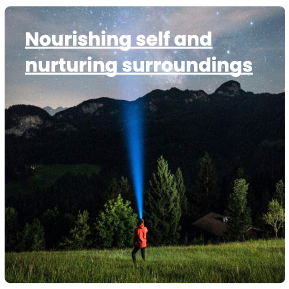
From digital detox retreats to forest-breathing kids’ clubs and mindful stargazing, Six Senses venues are taking sustainable wellness to the next level.

Turning coastal cleanup events into city run clubs, Adidas x Parley rallied runners to collect marine-bound plastics and laced it back into limited-edition gear.
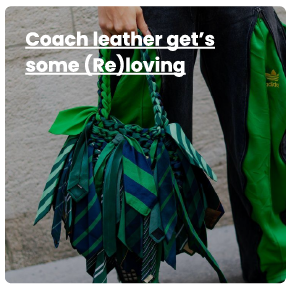
As part of the brand’s circular programming, the Tomorrow’s Vintage pop-up invites attendees to restore and reimagine old bags with custom embossing, revived icons, and upcycling stations.
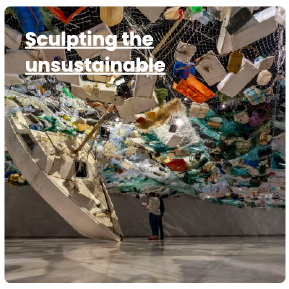
Kiehl’s transforms two tons of plastic waste into public art on the NYC High Line, making single-use practice the headline, not the footnote.
Catch up on all our previous Experience Intelligence reports. Or schedule a strategy session with us!
