
Less Becomes More in the World of AI.
What’s new in June? From behind-the-scenes creative content and anti-AI cafes to intentionally slow gatherings, attendees are rejecting manufactured marketing and over-hyped events in favor of radical transparency and highly functional, physical spaces. This month’s trend-spotters: Kristy Hong, Josh Fischer, Kurt Miller, and Brandon Dolan.
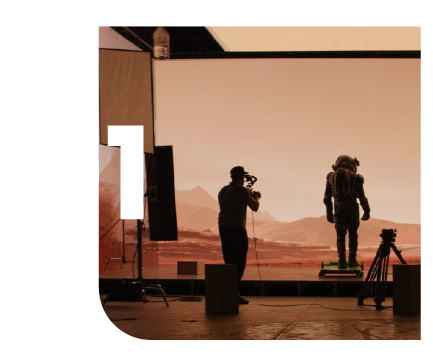
Work-in-progress is the new visual language
Brands are sharing the raw creative process to prove real human effort.
As generative AI sparks waves of skepticism, consumers crave unscripted, human authenticity. Some of the social sphere’s largest content creators have pushed back against out-of-touch perceptions with seemingly spontaneous and unproduced content. Big tech brands like Apple showcased the handmade magic behind new tech product launches, and fintech brand Coinbase captivated viewers with a 50-minute breakdown of the build process for an uncanny video game world using practical miniatures and NPC choreography instead of actual digital effects.
AI brands foreground the human
Counterpositioning and cafes in the face of AI backlash
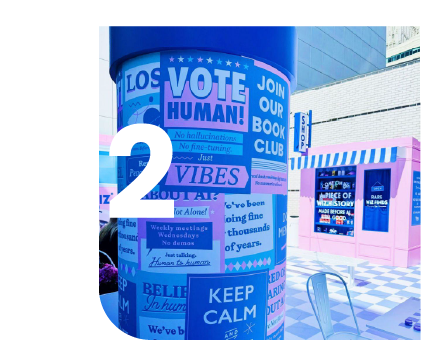
Axios calls it the “AI hate wave,” a groundswell of negative public sentiment that AI is moving too fast, will steal jobs, intensify social inequality, increase electricity costs, and hurt the environment. In the face of this, AI brands are using coffee to signal coolness, elevated taste, and cultivate community, such as the Claude “Supper Club”and “zero-slop”: pop-up Cafe.
A tale of two Gen Zs finding common ground
Generational bifurcation is reshaping how people gather IRL
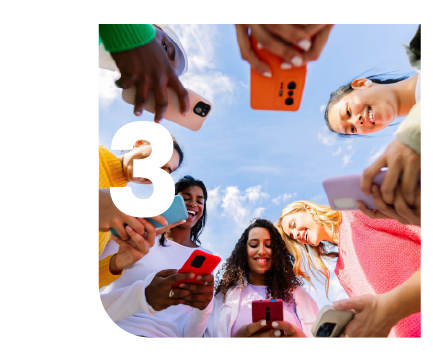
The Gen Z split is a generational bifurcation between Gen Z 1.0 (1997–2003) and 2.0 (2004–2012), rooted in their distinct life stages during the onset of COVID-19. The divide isn’t creating disconnected audiences, but rather distinct routes to the same core need.
Attendees are demanding more value from events
Experience planners are scaling back as audiences grow more selective.
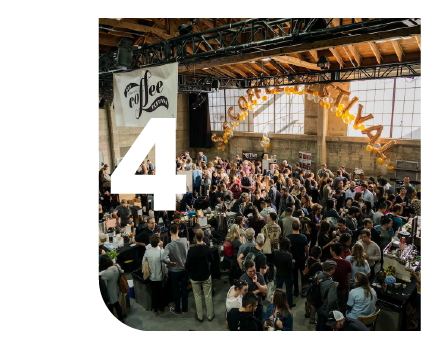
Events are shrinking, and rising costs are only part of the story. The reality is, most attendees don’t believe they’re walking away with what organizers think they’re giving. New research reveals that when outcome-driven experiences aren’t delivered, most attendees simply don’t return. Instead, they opt for smaller, local, or personal experiences that deliver more value in exchange for time spent.
OUT-THERE EXPERIENCES
People, brands and marketers continue to push the boundaries of physical and digital experiences, with new and creative executions popping up across the globe.


Catch up on all our previous Experience Intelligence reports. Or schedule a strategy session with us!
