

Ten years, six visits, and five lessons from the College of Extraordinary Experiences
By Andrew Lacanienta, Director of Strategy, GPJ
In 2016, I traveled to Poland for the inaugural College of Extraordinary Experiences. I arrived as a student of experience design. I left with an entirely new sense of what an experience could make possible.
Six visits and ten years later, I can say that no single place, experience, or community has shaped my perspective on

experience design more. I’ve studied it, researched it, and taught it at the university level. But the College helped turn those theories into something deeply human and lived.
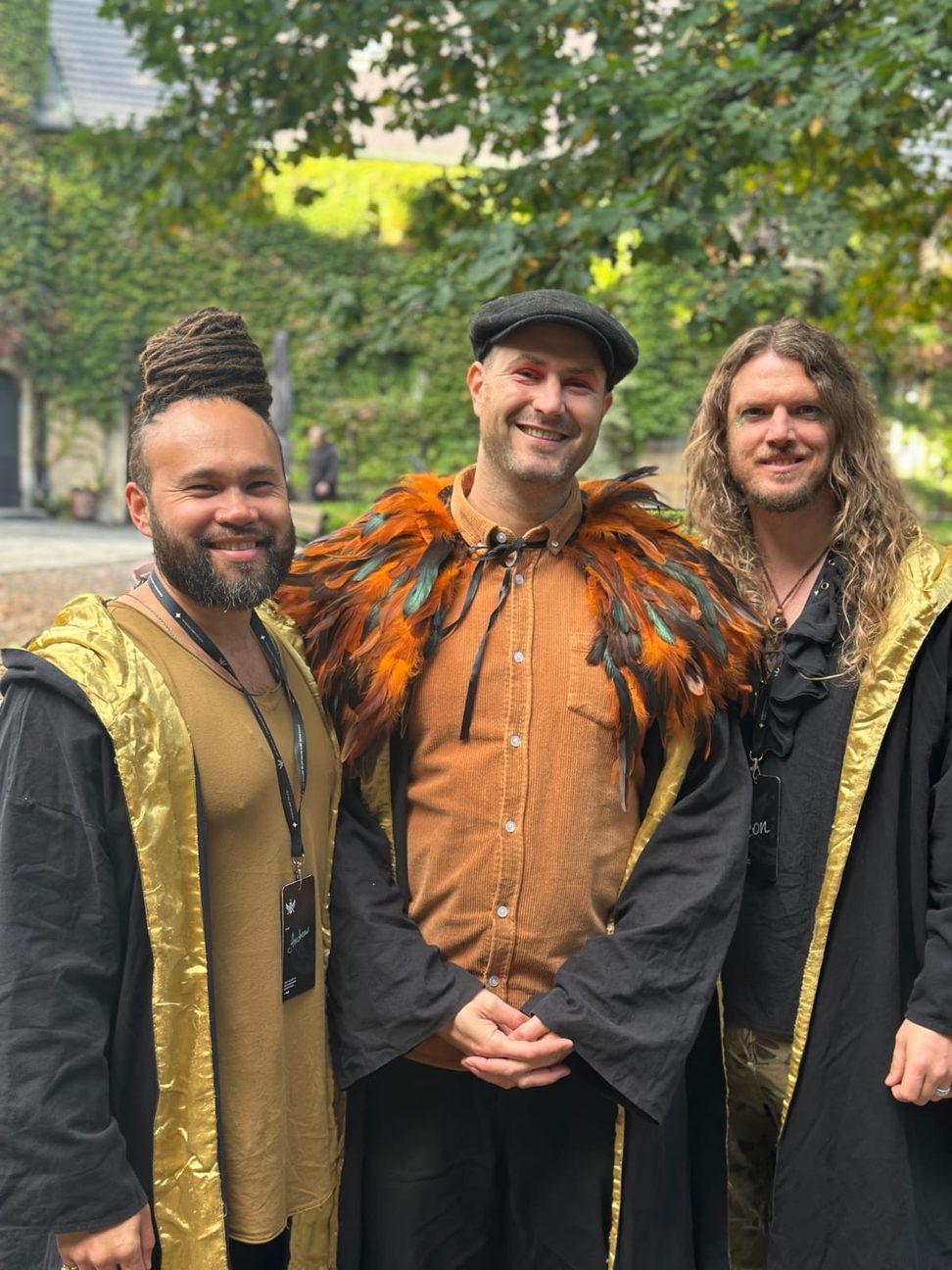
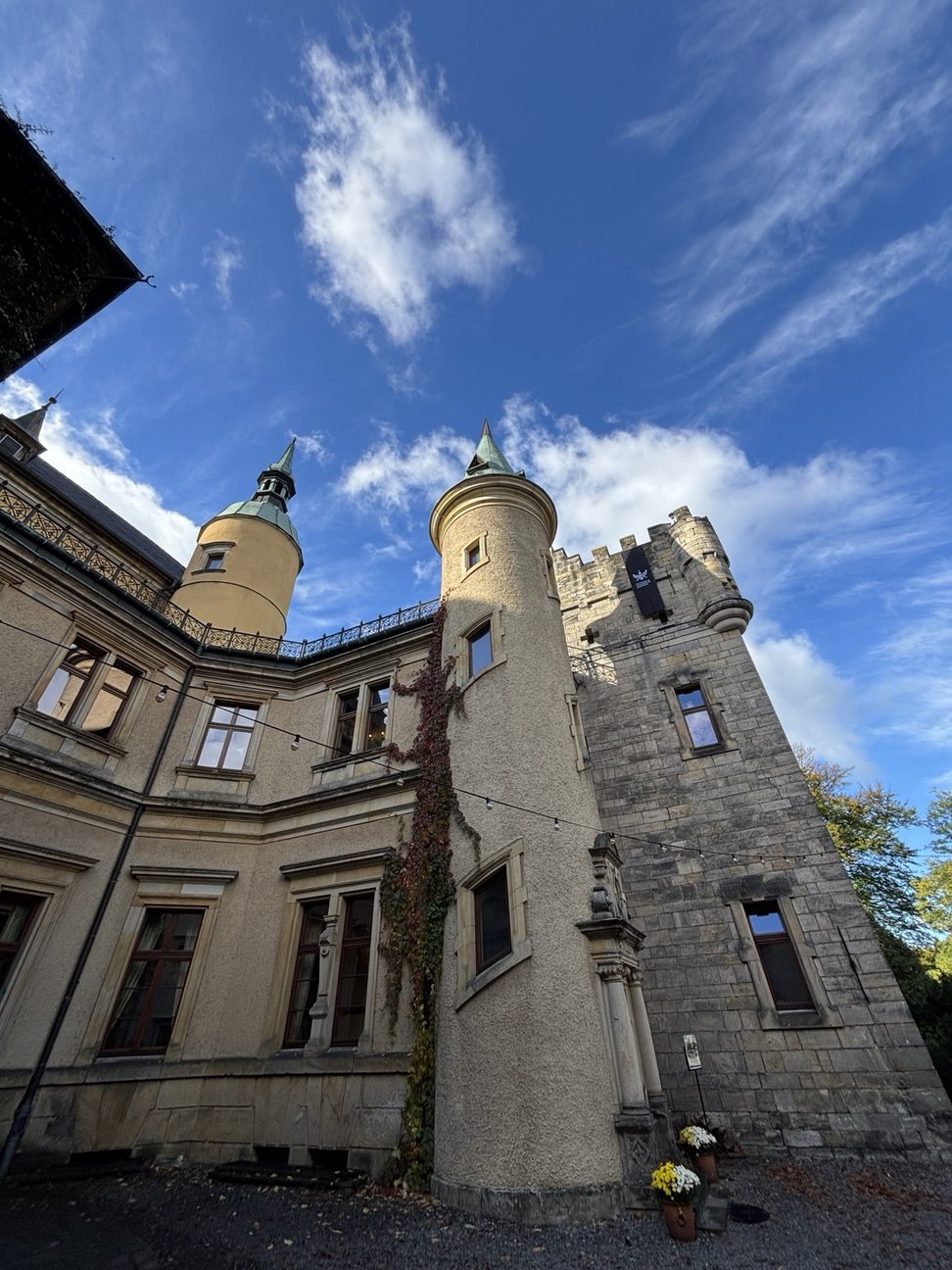
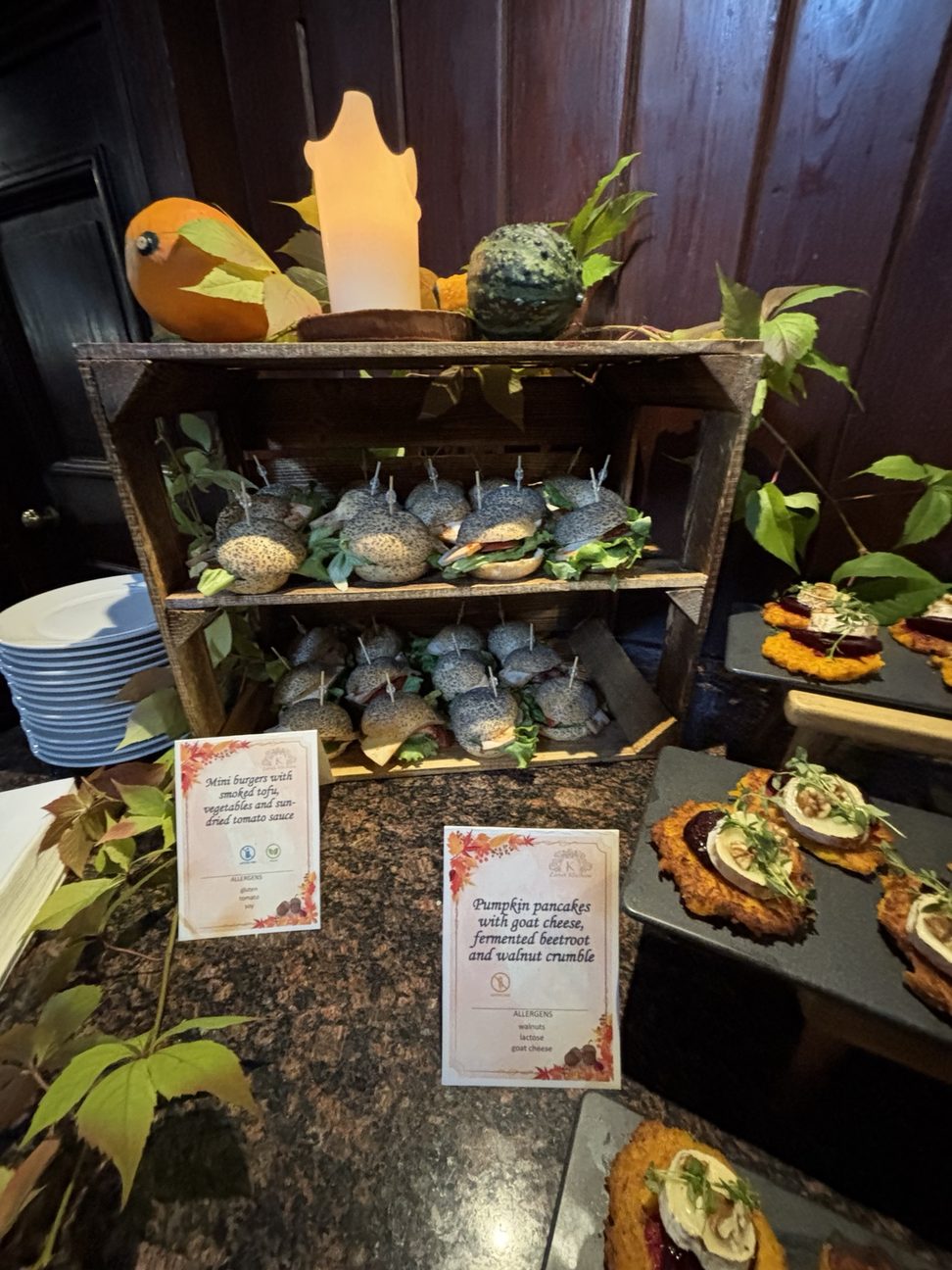
In October 2026, I returned as a prefect, a facilitator and guide for a house of 18 participants. I came ready to hold space for their transformation. The experience I was helping create for others became the experience I needed for myself.
That kind of magic isn’t accidental. Behind it is an intentional architecture of experience.
1. Create a threshold, not just a check-in.
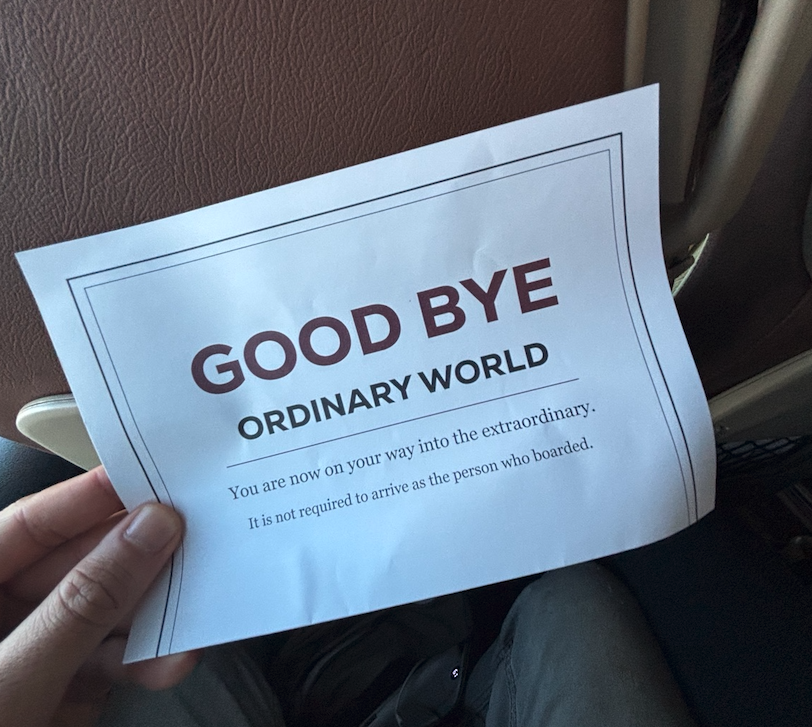
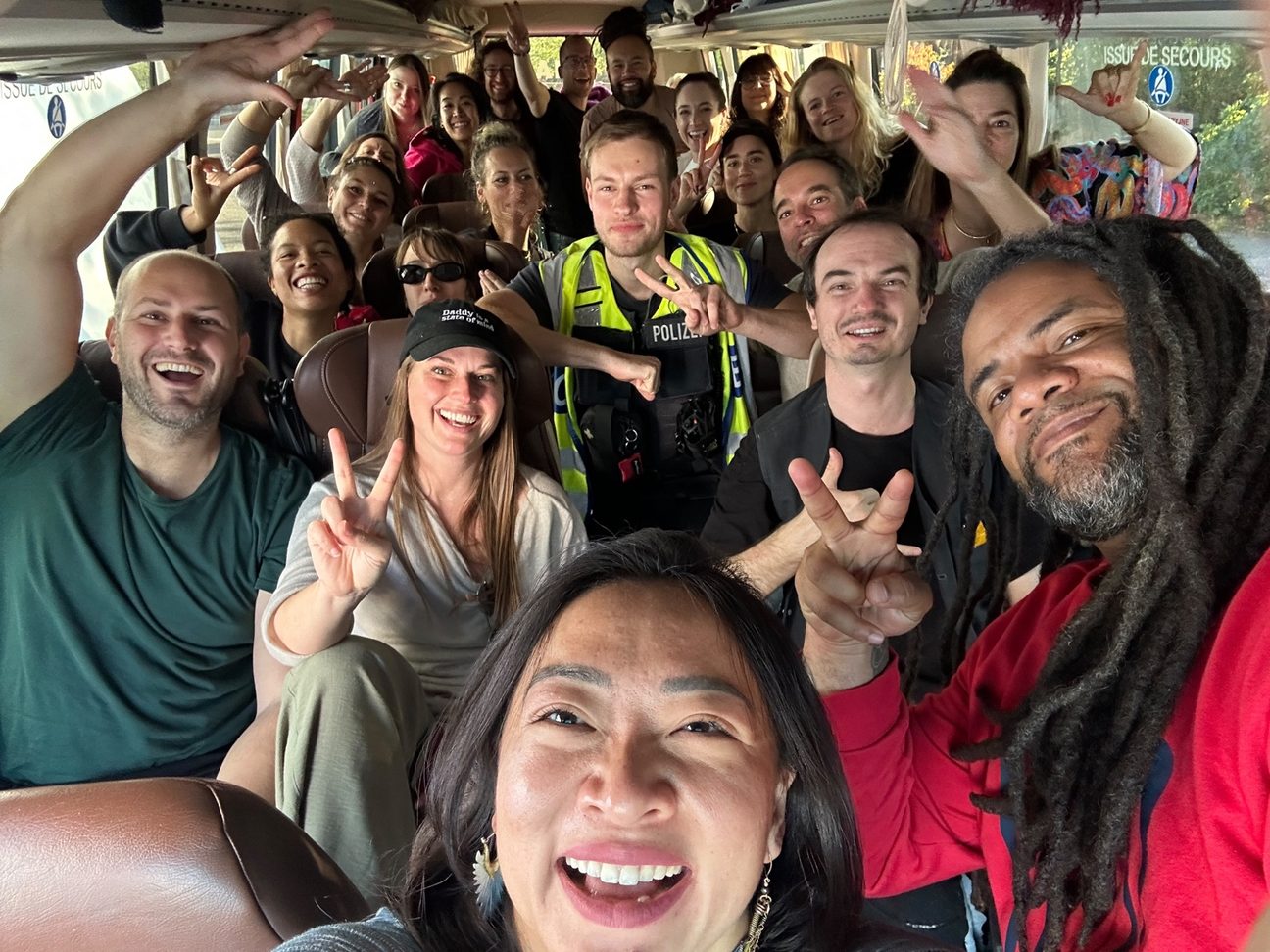
On the airport bus, a card announces, “GOOD BYE ORDINARY WORLD,” and promises, “It is not required to arrive as the person who boarded.” A playful Ministry of Extraordinary Affairs asks what courage, hopes, or unfinished ideas you’re bringing, and what fears you want to surrender. At the castle, you collect a robe, a tie, and a house assignment. Job titles recede. The ritual gives everyone permission to step beyond familiar roles and meet one another as humans first.
2. Build intimacy on a foundation of care.
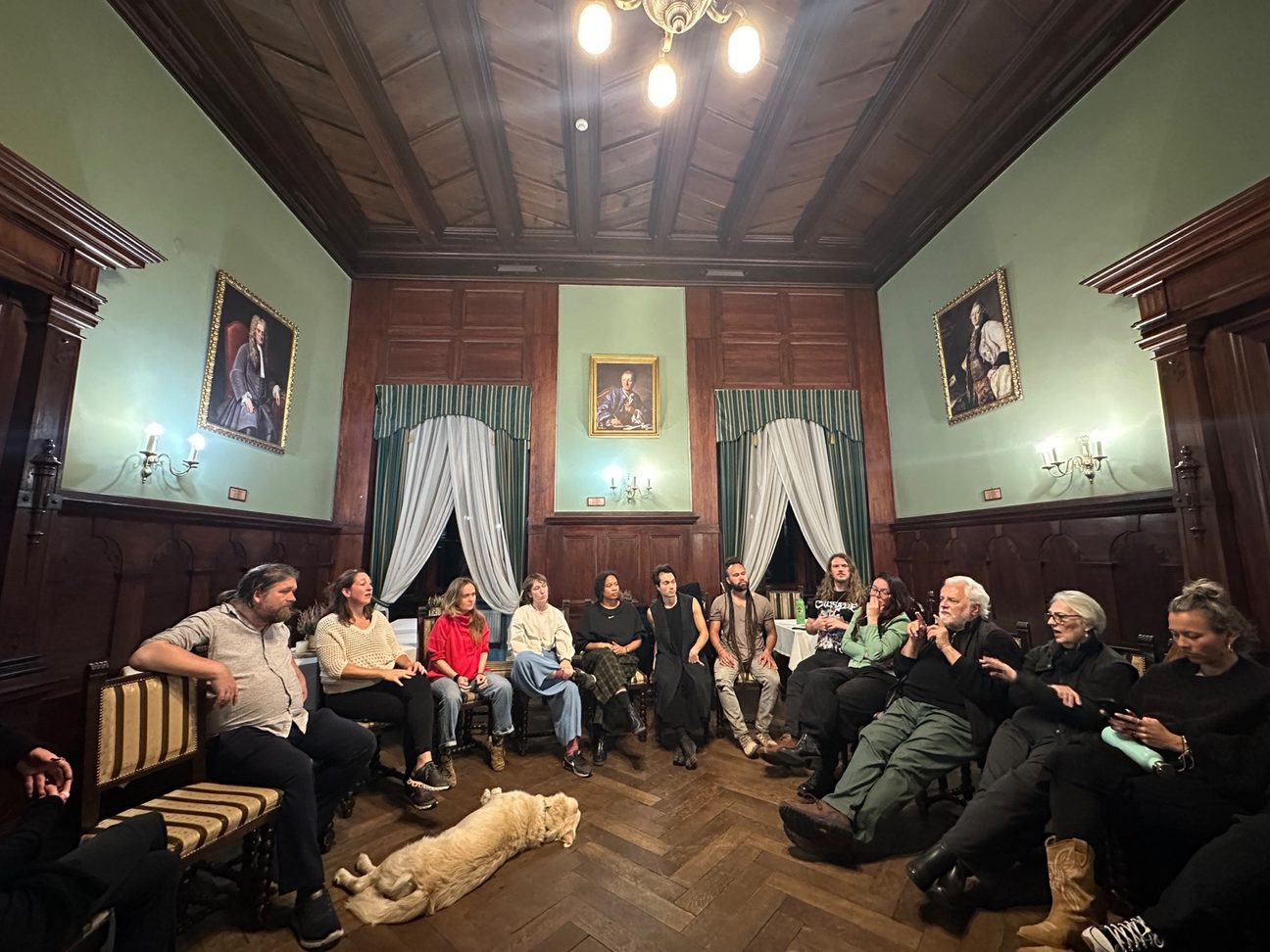
Around 100 participants become six smaller houses, each supported by dedicated prefects. These circles make room for honest conversations, reflection, and belonging. Underneath it all is exceptional service design: nourishing food, thoughtful breaks, coffee, tea, cake, and spaces to rest. Before people can take creative or emotional risks, they need to feel cared for. The extraordinary stands on the ordinary, done beautifully.
3. Let people feel the lesson before explaining it.
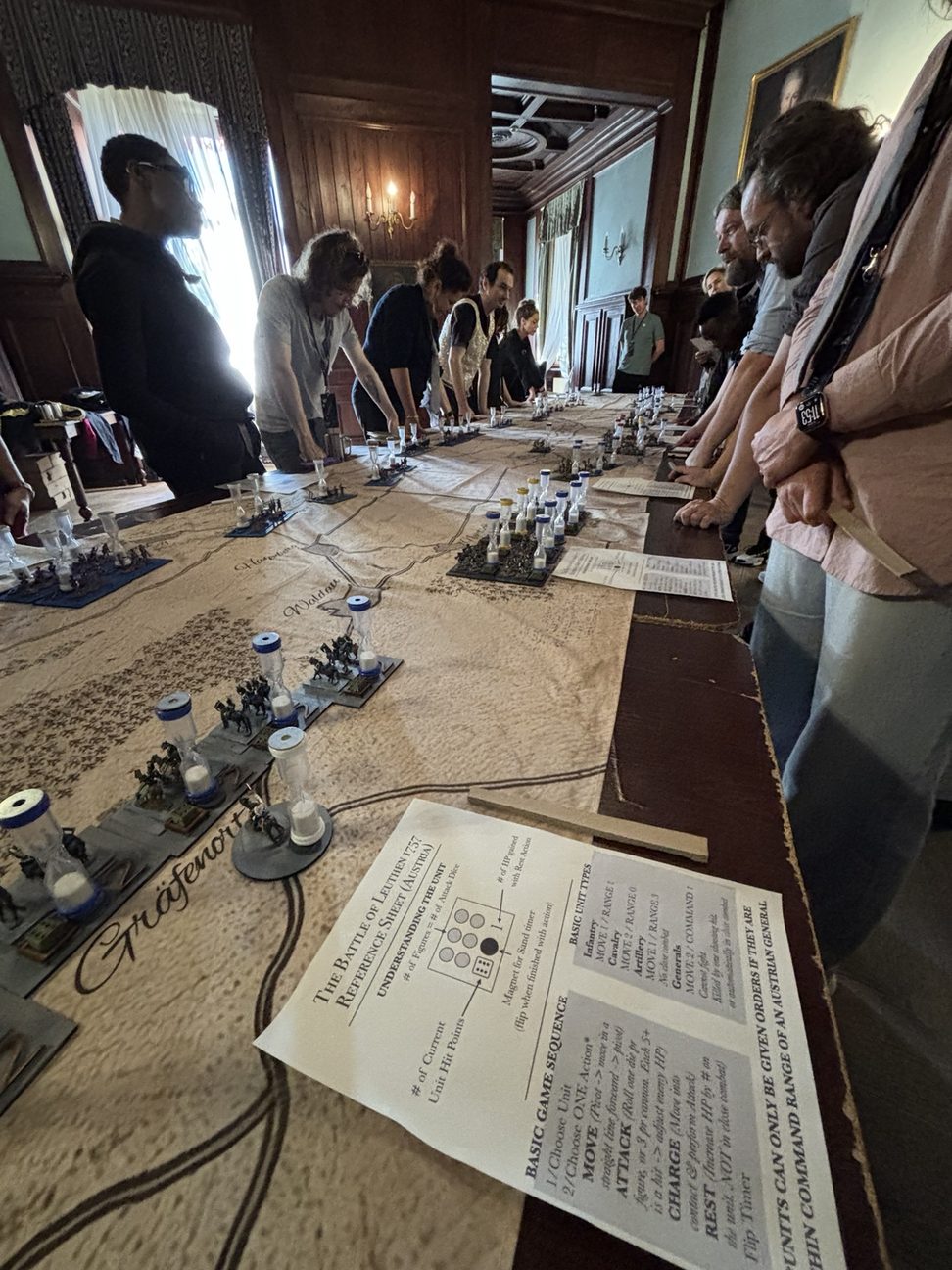
A workshop on hospitality begins with a theatrical hotel check-in, a wooden room key, and a tunnel of joyful affirmations. A collaborative war game reveals lessons about leadership and strategy through play, debrief, and a second attempt. Other classes explore identity, love, creativity, and the inner critic. We experience first, reflect together, and only then make meaning of what happened. The learning lands in the body, not just the notebook.
4. Make room for people to become the creators.
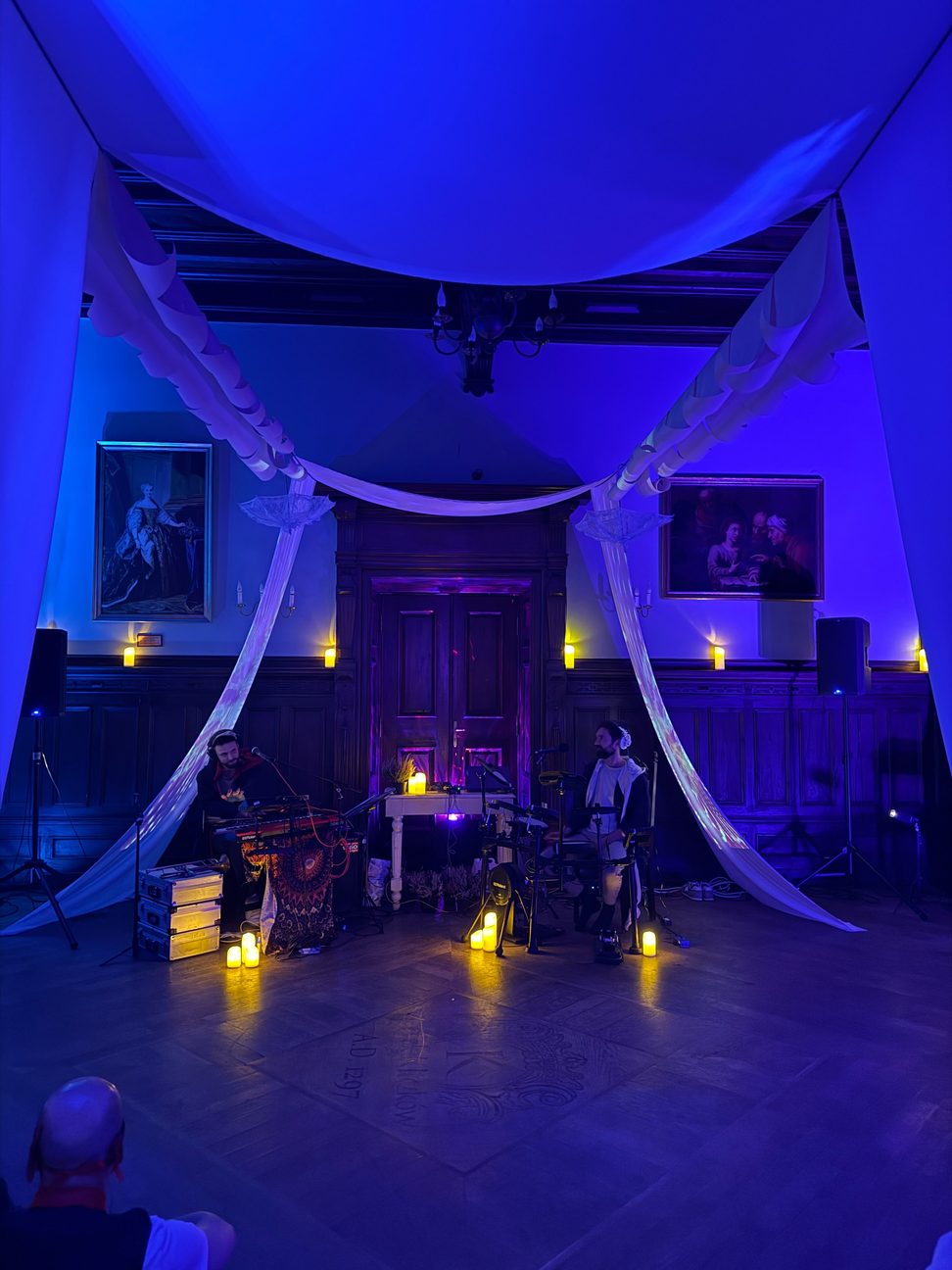
Later in the week, the program loosens its grip. Participants propose workshops on a chalkboard, pitch their ideas, and teach one another. The Imaginarium transforms the castle into a roaming celebration of music, performance, and imagination. The most meaningful moments aren’t always delivered to an audience. Sometimes they’re made by the community itself.
5. Design the return as carefully as the arrival.
Each house creates its own ritual for removing the robes and stepping back toward everyday life. At graduation, we receive diplomas and envelopes of “Sugar Cubes,” handwritten notes of appreciation tucked beneath our Polaroid portraits throughout the week. The objects are small. What they carry is enormous. And the relationships continue long after the last bus departs.
My earliest College experiences helped form the lens through which I see this industry. This year brought me back to who I am, what I believe, and why I love this work.
If we hope to design experiences that transform other people, we must stay open to being transformed ourselves. Maybe that’s the greatest invitation the College offers our industry: design not only for what people will see or learn, but for how they might connect, contribute, and become more fully themselves.
