
Version 46.0

Written & Compiled by Macklin Andrick, GPJ Sr. Creative Technologist
GPJ’s Creative Technology practice supercharges the impact of brand stories told through the strategic use of innovative tech and AI. Strap in as we dive into a whirlwind of innovation and spectacle!
This week’s Creative Tech Byte is serving up major moves in AR, AI, and space exploration with a splash of gaming and streaming. At Meta Connect 2025, Meta announced a line of smart glasses, including the Meta Ray-Ban Display with a built-in screen and a wrist-worn Neural Band. But the biggest news might be from Mars, where NASA announced a “potential biosignature,” a groundbreaking discovery of minerals in a mudstone sample that could be the strongest evidence yet for life. The innovations this week are pushing boundaries and expanding the digital universe.
Meta Connect 2025: the 6 biggest announcements
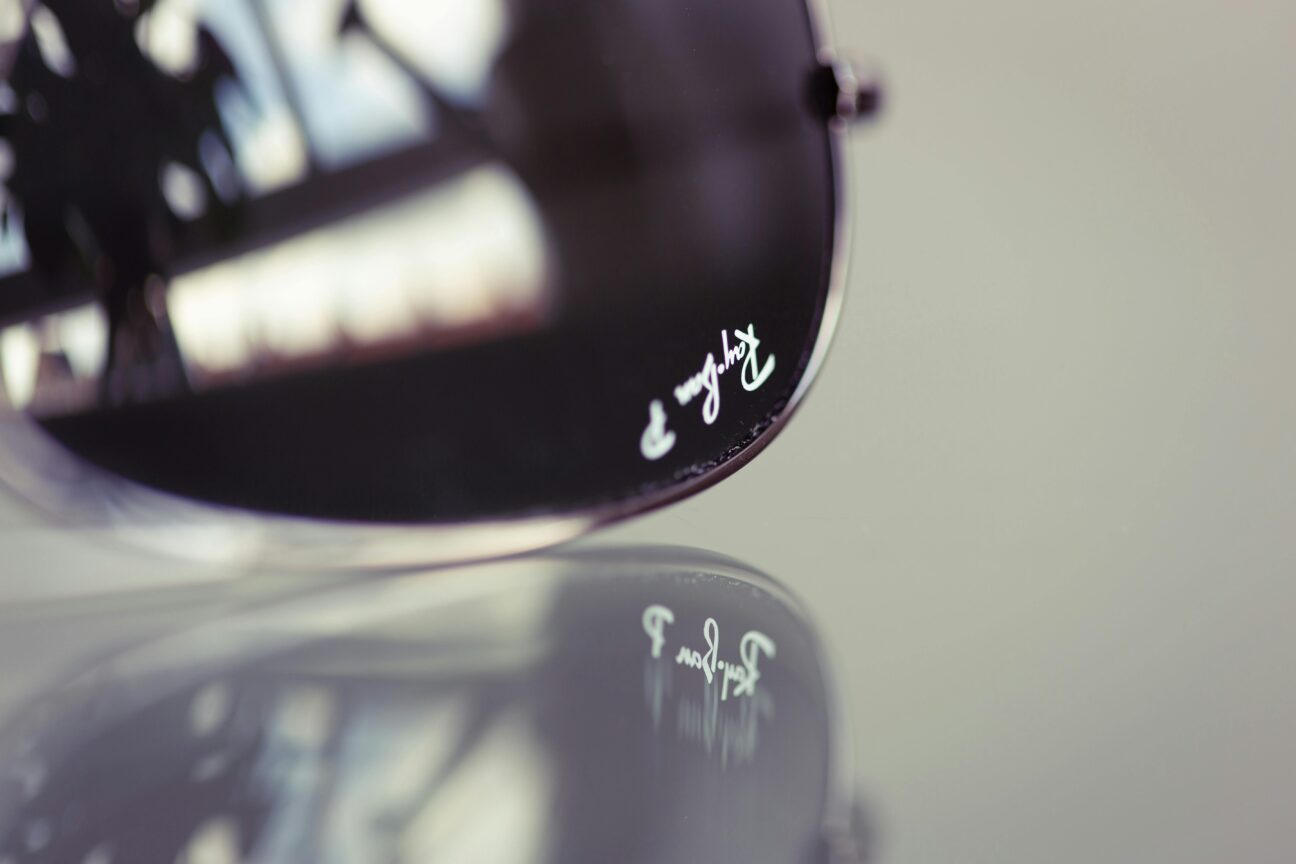
At Meta Connect 2025, Meta announced a new line of smart glasses, including Meta Ray-Ban Display with built-in screen and a wrist-worn Neural Band for control. It also unveiled Ray-Ban Meta (Gen 2) glasses with longer battery life and improved camera, and Oakley Meta Vanguard for athletes. Meta announced new software tools like Hyperscape Capture, Meta Horizon Studio, and Horizon TV to bolster metaverse and VR ecosystems.
Takeaway for experiences: Now’s the time to experiment and pilot these wearables and creator tools to design co-created, measurable experiences that can lead to new brand storytelling avenues.
Roblox announces new AI tools and short-form video platform for creators
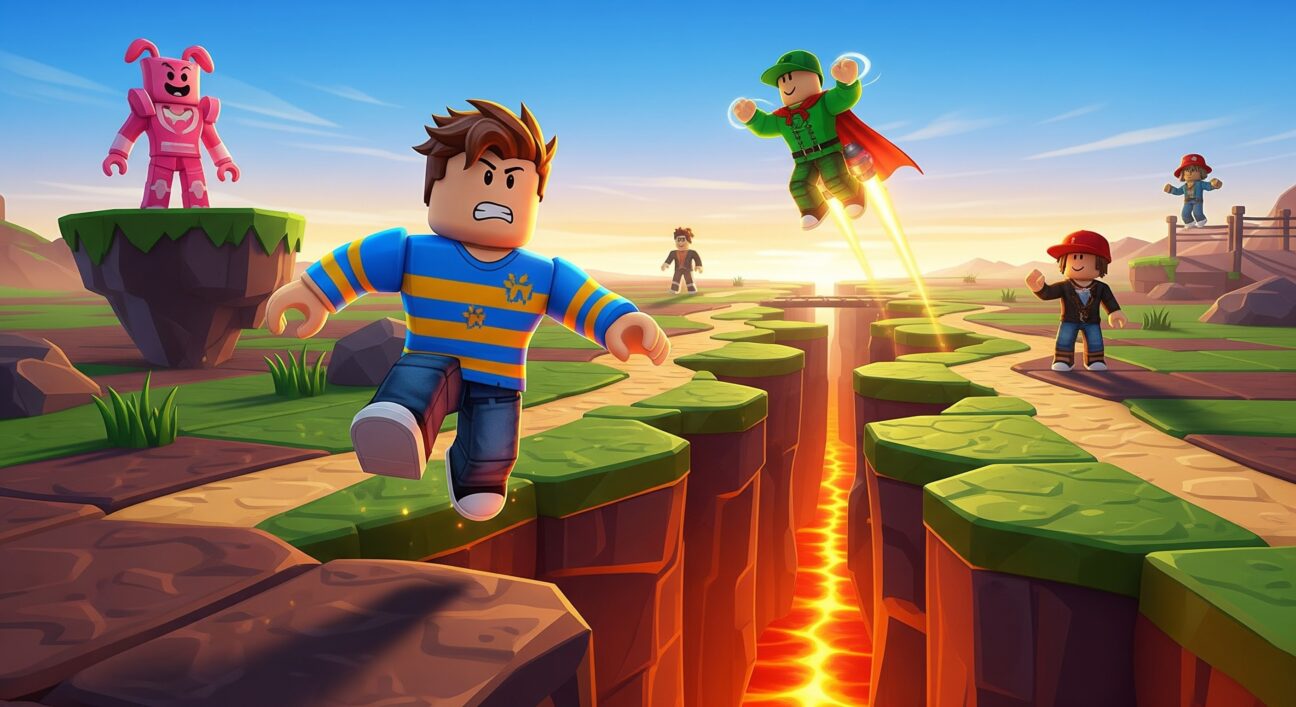
Roblox recently announced two new features at its Developers Conference: a short-form video platform and a suite of AI tools for creators. The video platform, “Roblox Moments,” is a TikTok-like feature for creating and sharing clips up to 30 seconds. This move consolidates popular Roblox video content now on YouTube and TikTok. The new AI tools include generating in-game items from text prompts and real-time voice chat translation. These announcements came amid recent scrutiny and lawsuits regarding the company’s child safety features.
Takeaway for experience makers: Test Moments and AI creation to co-create native content, measure engagement, and design with broad audience safety in mind.
NASA announces “groundbreaking discovery” of life on Mars
NASA recently announced what could be the strongest evidence yet for life on Mars. The discovery is based on a mudstone core sample drilled by the Perseverance rover in July 2024. Scientists found minerals—vivianite and greigite—often associated with microbial activity on Earth. While these findings are consistent with life, they do not definitively prove it, as nonbiological chemical reactions could also produce similar results. The discovery is considered a “potential biosignature” and will be analyzed once the sample is returned to Earth.


Google Gemini is the top free iPhone app
Google’s Gemini app has recently become the top free app in the US App Store, a position attributed to its Nano Banana image editing model. The app’s success has resulted in 23 million new users since its launch in late August, and it also holds the second-place ranking in Canada and the UK. The Nano Banana model’s popularity is due to its ability to maintain character likeness in images, with over 500 million images having been edited. The article notes that while the app is free, it provides daily editing limits of 100 images for free users and 1,000 for subscribers.
OpenAI upgrades Codex with a new version of GPT-5
OpenAI has released a specialized version of its language model, GPT-5-Codex, optimized for “agentic coding” and software engineering tasks. The model can dynamically adjust its “thinking time,” spending more computational effort on complex problems and less on simple ones. It is capable of operating independently on difficult projects for several hours. This version is integrated into tools such as the Codex CLI, IDE extensions, and GitHub for automated code reviews. It is available to users on paid ChatGPT plans, with plans to make it available via API soon.
Netflix to Add NASA+ as It Launches Into Live Streaming Feeds
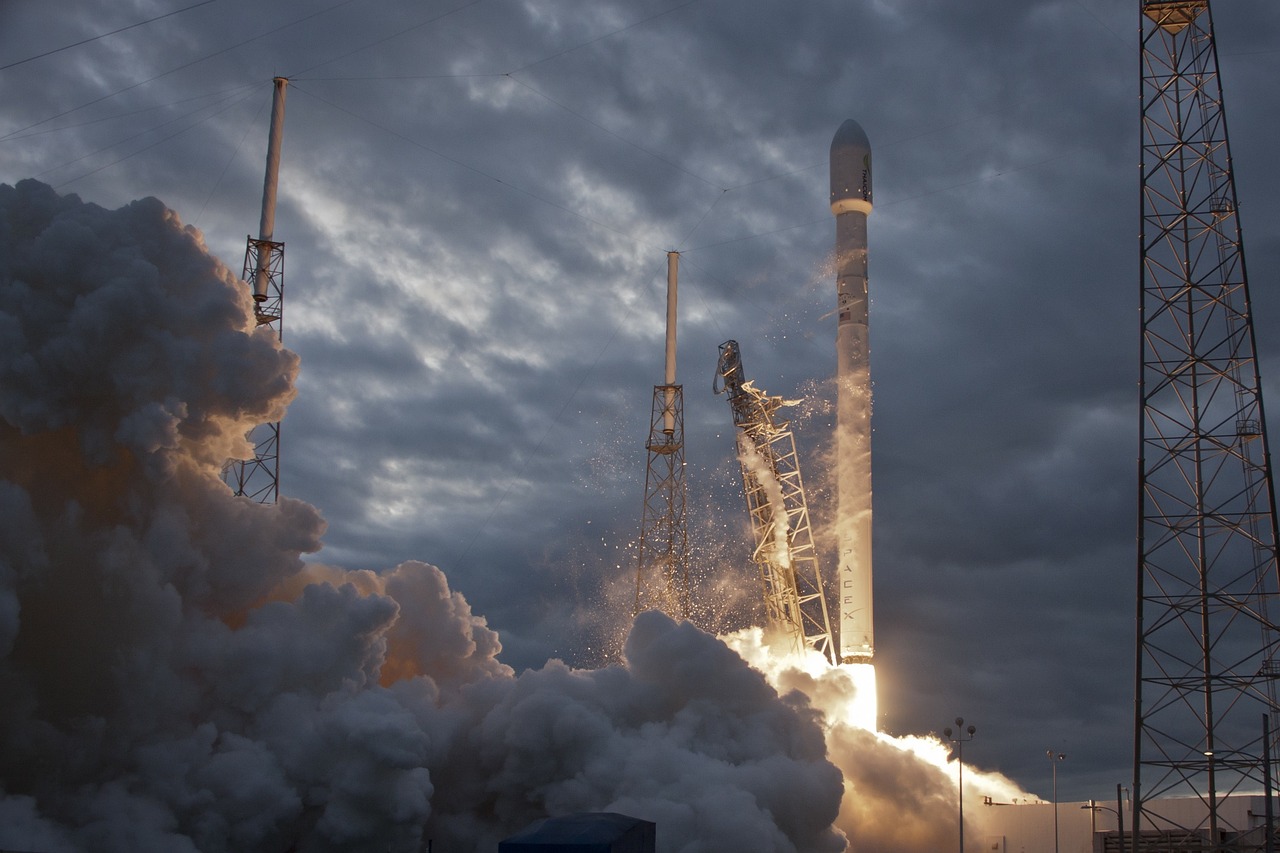
NASA is partnering with Netflix to bring its live programming to a broader audience. Starting in the summer, live content from NASA+, including rocket launches, spacewalks, and views from the International Space Station, will become available on the streaming platform. This partnership allows NASA to reach a global audience of more than 700 million Netflix subscribers. While the live content will be available on Netflix, NASA’s own ad-free and subscription-free streaming service, NASA+, will continue to be available through its app and website.
For more GPJ Creative & Strategic reporting, visit our News & Insights page.
